
Text by Jerome Harris (bassist and guitarist, MFM member)
In the mid-1970s, I was a jazz guitar student at The New England Conservatory of Music in Boston. For a while, I played tenor banjo and guitar in The New England Conservatory Ragtime Ensemble, a student group founded by the school’s president, composer/conductor/scholar Gunther Schuller, to perform his orchestrations of ragtime music by Scott Joplin and others.
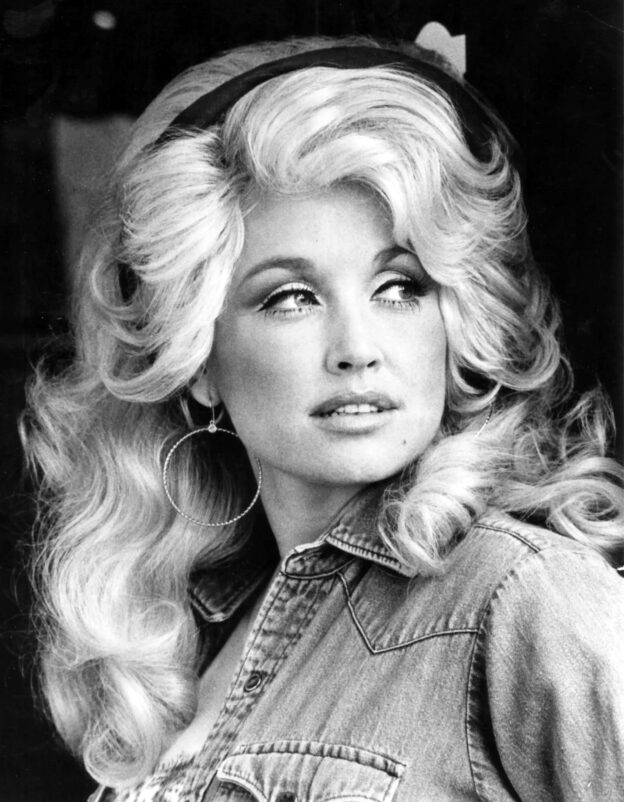
One morning, after we’d played a concert in the Midwest, members of our group went down to our hotel’s restaurant for breakfast. Some of us noticed a group of folks at a table across the room; I heard snide comments about a petite, shapely woman with a blond bouffant and makeup, sitting among a bunch of middle-aged men in jeans and plaid flannel shirts. I recognized the woman right away.
In that period, it might not have been surprising that the other members of our group, all of whom were young classical-music majors, knew nothing about Dolly Parton or American “country music”. And given our country’s long bitter history of racial segregation, maybe it was a bit unlikely that an African American jazz guitar student would have had any of Dolly’s albums.
But my musical tastes had long been omnivorous. I was introduced to bluegrass, old-time country music, and the virtuoso flatpicking guitarist/singer Doc Watson by friends at my New York City high school. Ray Charles’s hit 1962 album Modern Sounds in Country and Western Music, the career of Grand Old Opry performer Charley Pride, and the radio listening habits of my grandparents in rural eastern North Carolina showed me that appreciation of music genres was not rigidly bounded by race (all of this was before I knew of the role of Black musicians like Arnold Shultz and Lesley Riddle in the evolution of Appalachian music, and before groups like the Carolina Chocolate Drops were highlighting the existence of the Black string band tradition).
Anyway, I walked over to Dolly’s table and thanked her for her work; she was as graciously welcoming as she is universally known to be (though I do think I surprised some members of her entourage). The members of our ragtime group were also surprised that I knew who she was; my reaction was “What? You haven’t heard “Jolene”, “Coat of Many Colors”, “My Tennessee Mountain Home?”
I found myself bridging cultural zones; Dolly’s music, humanity, and open-hearted presence were the impetus and inspiration. I’ll be forever grateful for her.